
Nutmeg - 7 Powerful Reasons to Use this Spice Daily
Nutmeg Have you ever smelled freshly grated nutmeg? That warm, earthy scent immediately produces a sense of calm and security. Nutmeg helps to ground, release tension and bring clarity to...
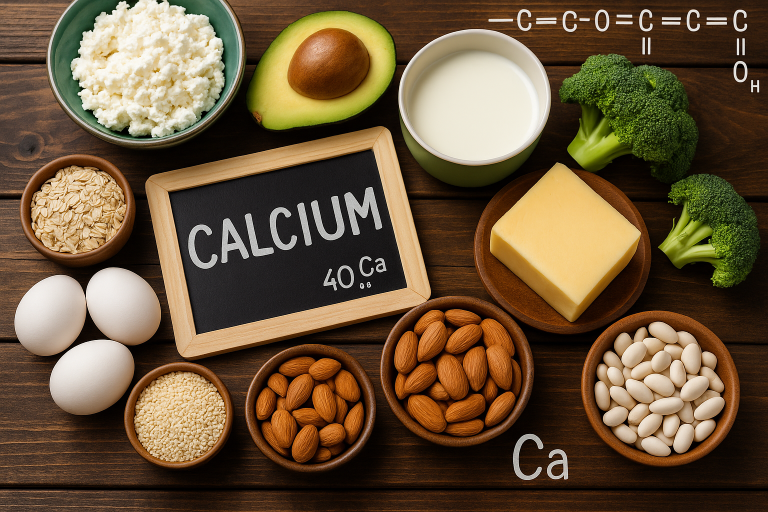
Calcium is a mineral you need to build and maintain bones and teeth. It helps against osteoporosis later in life and is also needed for proper nerve and muscle function, blood clotting and transport of other minerals in the body.
When you don't get enough calcium for a long period of time, your body can withdraw calcium from the bones. This leads to osteoporosis (osteoporosis of the bones) and increases the risk of bone fractures.
- Milk and milk products
- Cheese
- Whole grain cereal products (such as bread)
- Green vegetables, including kale and spinach
- Drinking water (about 60 mg of calcium at 2 liters of water)
👉 Note: Calcium from dairy products is well absorbed, especially in the form of calcium phosphate. Other forms such as calcium citrate, which are slightly more absorbable, are also used in supplements.
The recommended daily allowance (RDA) of calcium for adults is about 1,000 mg per day.
Vitamin D is essential for proper calcium absorption.
- Vitamin D → stimulates absorption
- Oxalic acid (e.g. in spinach, rhubarb) → reduces absorption
- Phytic acid (in grains) → reduces absorption
- Salt, alcohol, caffeine → cause additional calcium loss through urine
- Keeping bones and teeth strong
- Good nerve and muscle function
- Support blood clotting
- Transport of minerals in body cells
Risk groups:
- Women over 50 and men over 70 → lower intake, faster osteoporosis
- Children → risk of rickets (English disease) with severe deficiency and too little vitamin D
Shortage complaints:
- Muscle cramps and tingling around mouth, fingers or toes
- Increased risk of bone fractures
- In severe deficiency: tetany, laryngeal spasm, cardiac arrhythmias
An intake of more than 2,500 mg per day can lead to:
- Urinary tract stones
- Calcification of kidneys or blood vessels (especially when taking antacids with calcium bicarbonate)
The parathyroid glands (parathyroid) make parathyroid hormone (PTH). This hormone, along with vitamin D and phosphate, regulates calcium levels in your blood. This keeps your calcium balance.
Malfunction of these glands can lead to hypoparathyroidism, with risk of severe calcium deficiency.
- Ensure adequate sunlight → stimulates vitamin D and thus calcium absorption
- Eat plenty of green vegetables, whole grain cereals and dairy or alternatives such as A2 milk, goat or sheep milk products
- Exercise regularly → helps keep bones strong
- Avoid excessive salt, alcohol and caffeine
© All rights reserved | With ♡ created by Webaware Websites
Disclaimer | General conditions | Privacy Statement |

 English
  Dutch
Dutch