
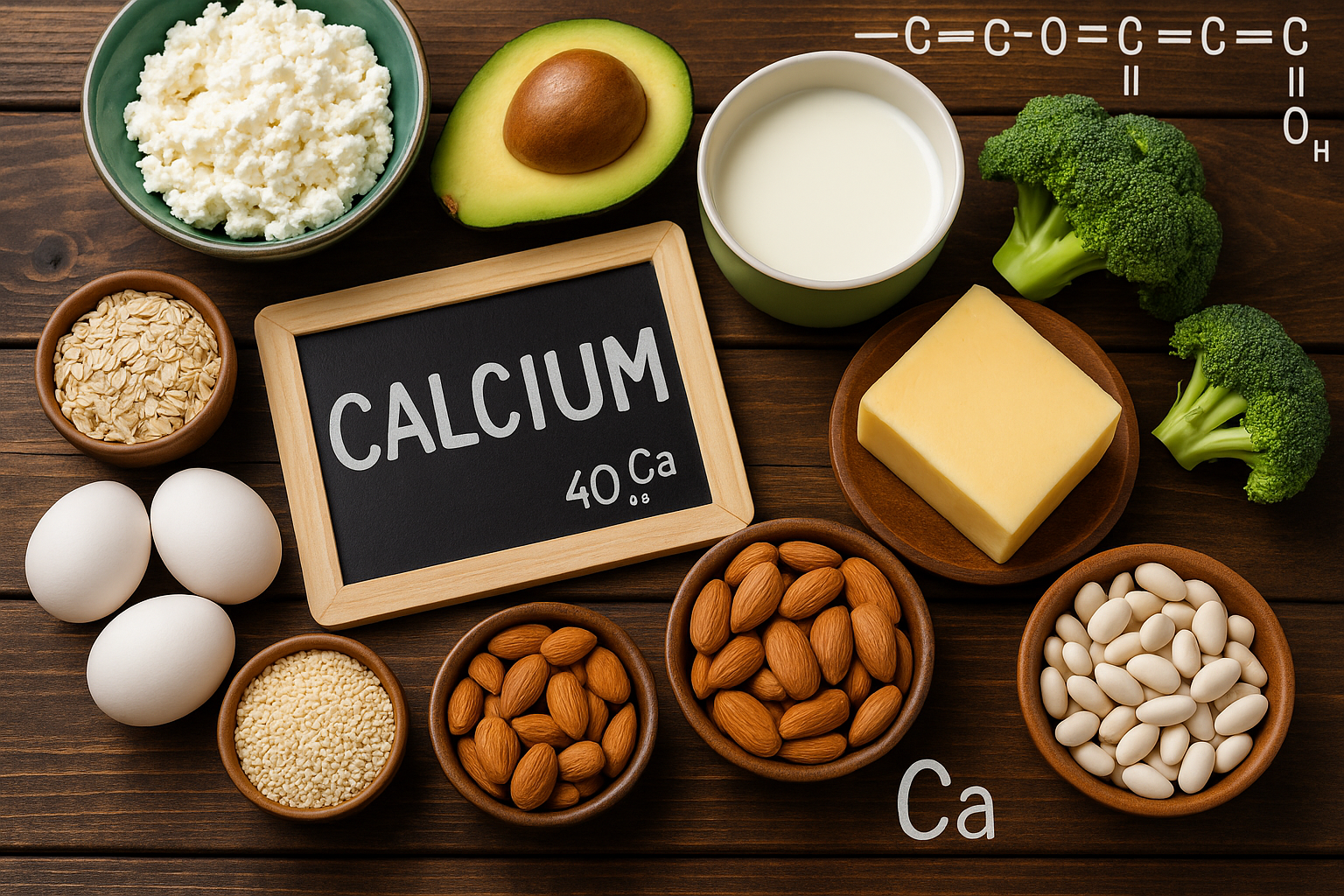
Calcium - 5 natural sources for strong bones and teeth
Calcium Calcium is a mineral you need for building and maintaining bones and teeth. It helps against osteoporosis later in life and is also necessary for proper work...
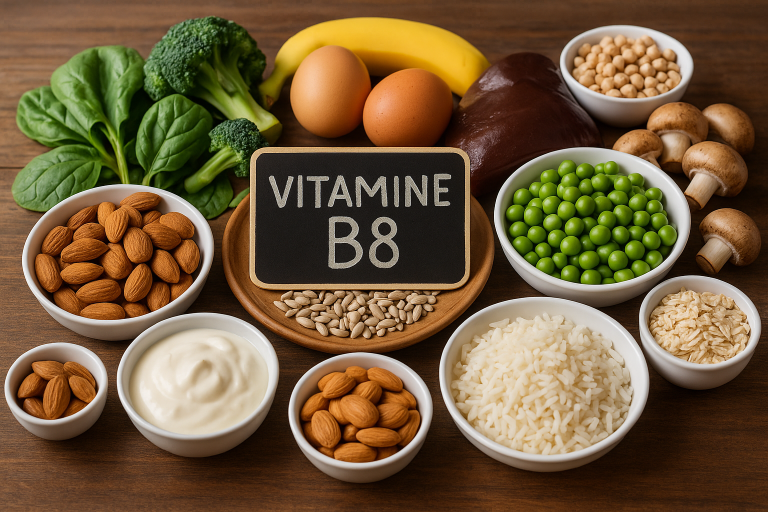
Biotin (vitamin B8) is a water-soluble vitamin. It is needed to release energy from food and also plays a role in the formation of fatty acids. Biotin also contributes to healthy skin and normal hair, as well as supports nervous system function.
Food and drinks contain biotin or biocytin. Biotin is called biocytin when it is linked to the amino acid lysine. In supplements and food additives, biotin is usually used.
Biotin is mainly found in:
- Eggs
- Liver
- Milk
- Notes
- Peanuts
- Releasing energy from food
- Role in the formation of fatty acids
- Contribute to healthy skin and normal hair
- Supporting the nervous system
| Category/age | Adequate intake (µg/day). |
| 0-5 months | 4 |
| 6-11 months | 6 |
| 1-3 years | 20 |
| 4-10 years | 25 |
| 11-17 years | 35 |
| 18 years and older | 40 |
| Pregnant women | 40 |
| Breastfeeding women | 45 |
Deficiency almost never occurs. Only when eating a lot of raw eggs can it occur. This is because raw egg whites contain avidin, a substance that prevents biotin from being absorbed.
Complaints with a deficiency may include:
- Skin abnormalities
- Anemia
- Depression
👉 In boiled or fried eggs, avidin is harmless.
An excess is not harmful: you just pee out the excess.
⚠️ Caution with thyroid medication - biotin may affect the action or readings of some medications. When in doubt, always consult with your doctor.
Biotin (vitamin B8) | Nutrition Center
Biotin is often associated with the root and sacral chakras 🌱🔥 because it releases energy and contributes to the basis of vitality: skin, hair and vitality. Spiritually, biotin supports the connection to your physical body, helping you to be firm and resilient in life.
© All rights reserved | With ♡ created by Webaware Websites
Disclaimer | General conditions | Privacy Statement |

 English
  Dutch
Dutch