
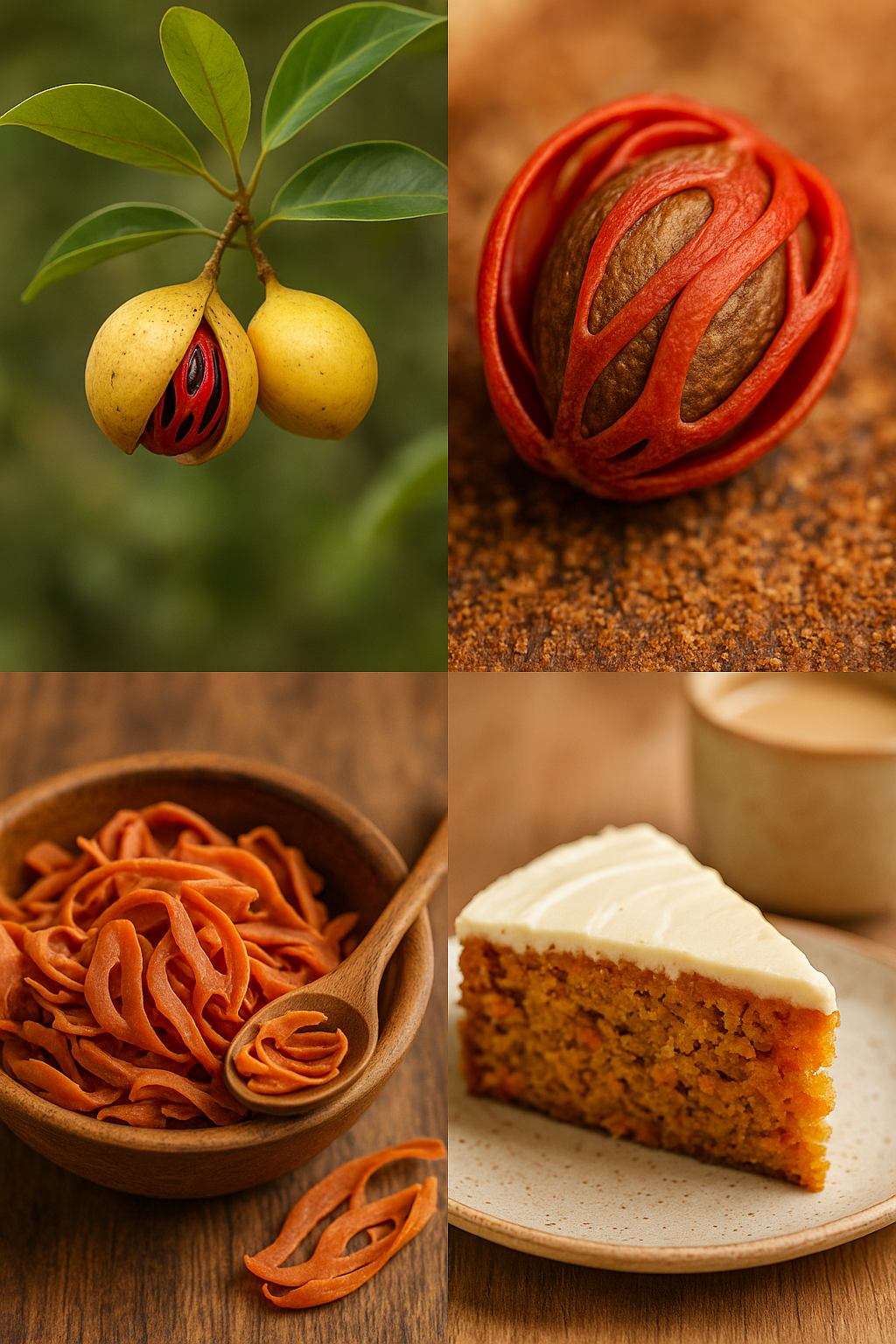
Mace - 7 Powerful Benefits for Warmth and Balance
mace Have you ever held mace in your hands? The scent is sophisticated, soft and warm - as if a subtle energy opens up. Mace awakens creativity, intuition and inner inspiration. It is the spice ...
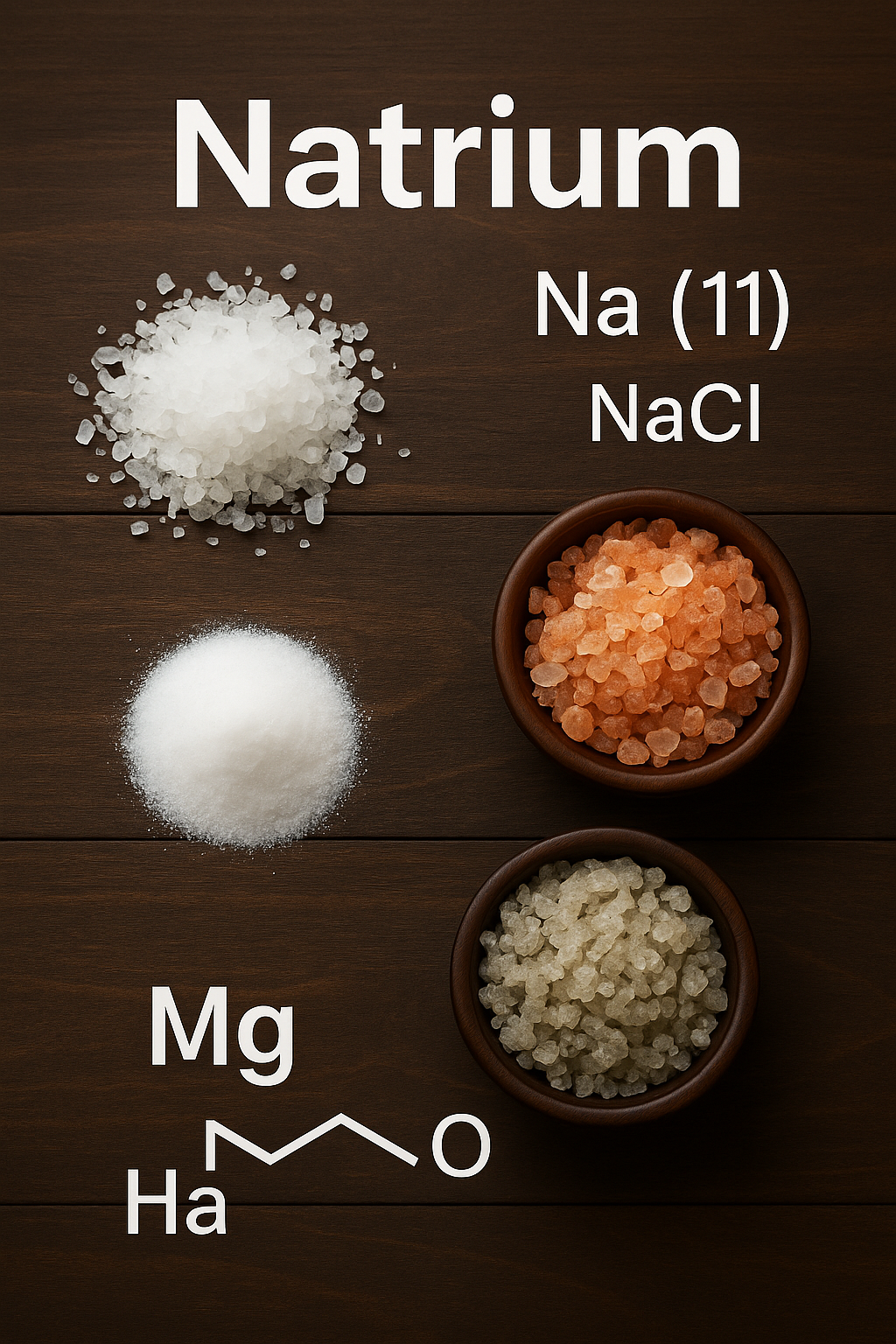
Potassium is an essential mineral that plays an important role in our bodies. It works with other minerals, such as sodium and chloride, to regulate fluid balance, keep blood pressure stable and properly transmit nerve impulses. In addition, potassium is very important for the functioning of our muscles, including the heart muscle.
A healthy body keeps the amount of potassium in the blood within narrow limits: between 3.5 and 5.1 mmol/l. This balance is regulated primarily by the kidneys. Through food and drink we take in potassium, and what is too much is usually excreted.
Potassium is indispensable for several processes in the body:
- Regulates fluid balance and blood pressure
- Ensures proper conduction of nerve impulses
- Supports muscle contraction
- Plays a role in the energy supply of cells
- Contributes to a healthy heart rhythm
Potassium deficiency usually comes not from eating too little, but from increased loss of the mineral.
Possible causes:
- Persistent diarrhea or vomiting
- Use of urinary pills (diuretics) or laxatives
- Strong sweating or dehydration
- Eating disorders such as bulimia
- Excessive use of licorice
- Hormonal imbalance (too much insulin or aldosterone)
Symptoms of deficiency:
- Listlessness and fatigue
- Muscle weakness or cramps
- Nausea and constipation
- In severe cases: cardiac arrhythmias
The opposite - excess potassium - is most common in people with kidney damage. Their kidneys cannot properly excrete the excess, causing potassium to accumulate. This can lead to dangerous cardiac arrhythmias.
The recommended daily amount of potassium is:
- 3500 mg per day for healthy adults.
- In kidney problems, often 2000-3000 mg per day (on the advice of a physician or dietician).
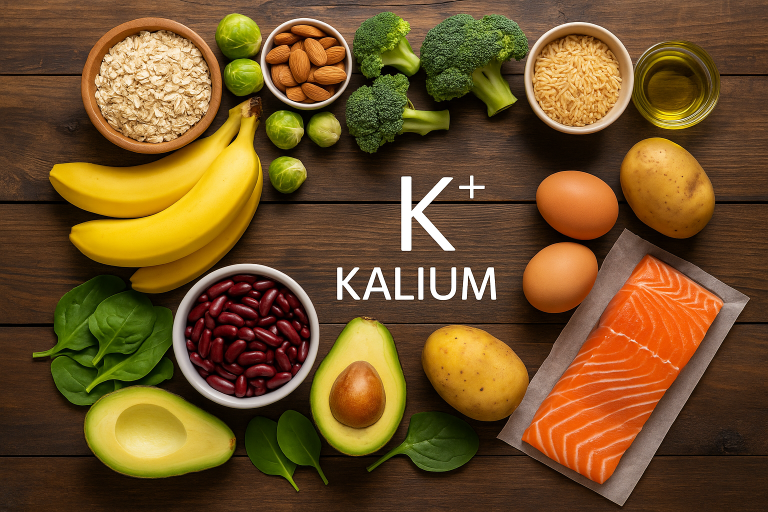
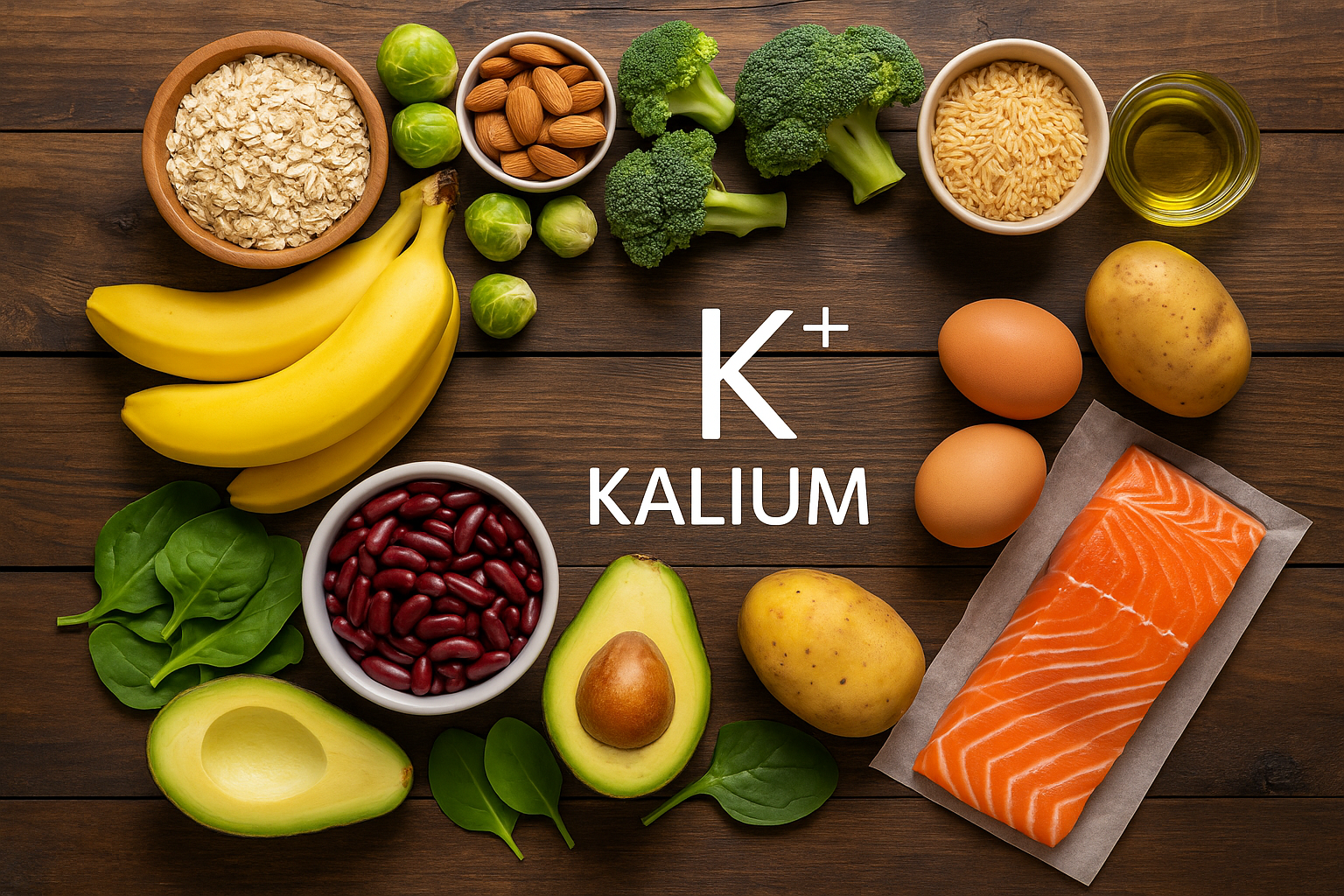
Potassium is abundant in our diet.
Foods high in potassium:
- Potatoes and potato products (such as mashed potatoes or fries)
- Vegetables: spinach, Brussels sprouts, parsnips, fennel, corn
- Fresh and dried fruits: bananas, apricots, figs, dates, raisins
- Legumes such as lentils, capuchins and black beans
- Nuts, peanuts and seeds
- Meat, fish, chicken and poultry
- Dairy products
- Tomato (puree) and fruit juices
- Cocoa and chocolate
Foods low in potassium:
- Rice and pasta
- Bread and pasta without whole wheat flour
- Tea and soft drinks
- Oil, butter and margarine
- Sugar, jam and honey
Potassium is considered a grounding mineral in spiritual tradition. It resonates with the root chakra (first chakra) and helps us stand firmly in the here and now.
- It promotes inner stability and tranquility.
- It helps release tension and stress.
- It supports finding balance between body and mind.
© All rights reserved | With ♡ created by Webaware Websites
Disclaimer | General conditions | Privacy Statement |

 English
  Dutch
Dutch