Fennel - 7 Powerful Reasons to Use this Herb Daily
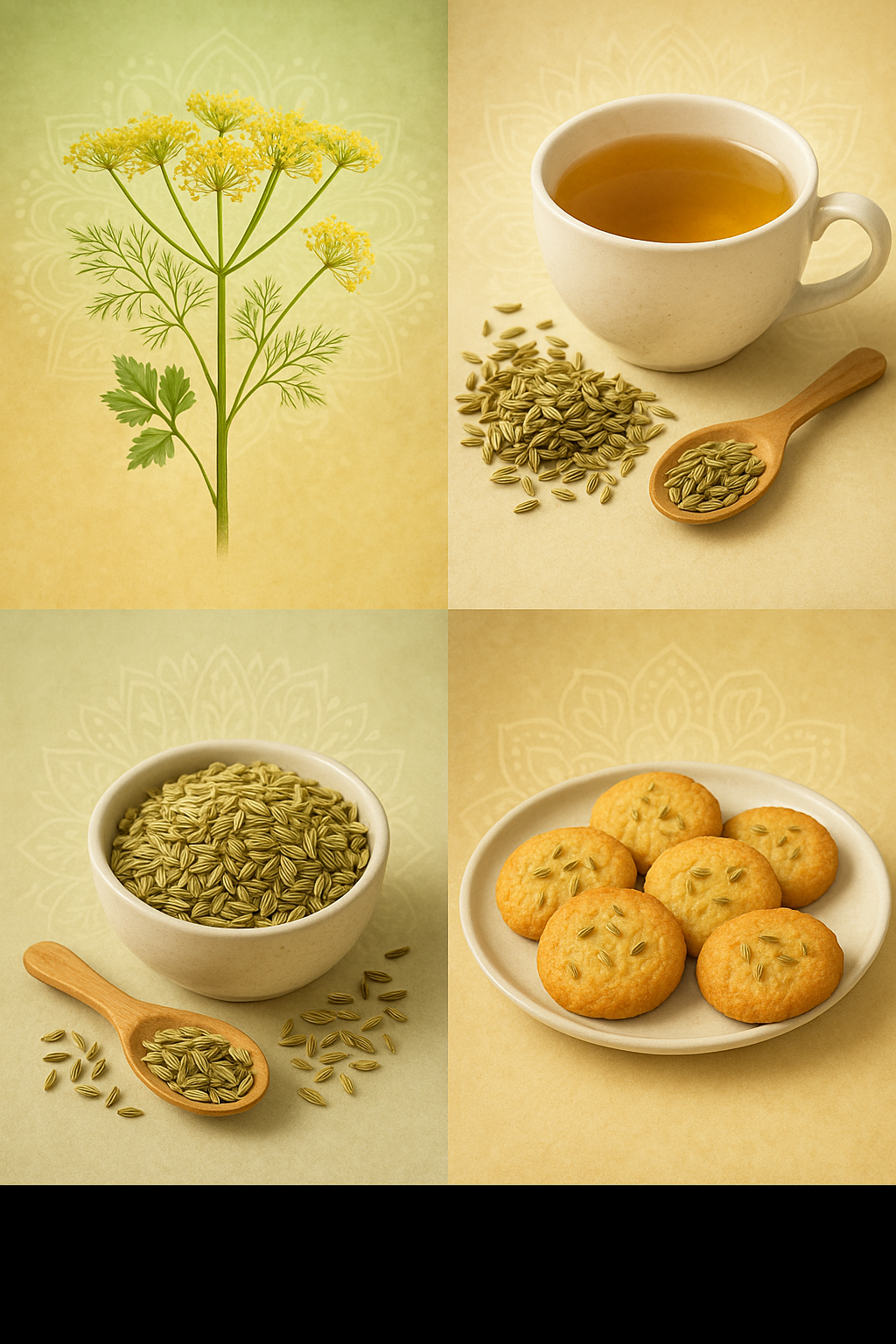
Fennel Have you ever rubbed fennel seeds between your fingers? That sweet, fresh smell calms instantly - as if your body breathes a sigh of relief. Fennel helps with abdominal tension, supports ...
Iron is a mineral that, among other things, is important for the formation of hemoglobin, a component of red blood cells. Red blood cells carry oxygen throughout our body.
Iron is found in food in 2 forms: heme iron and non-heme iron. Heme iron is found only in animal products. Non-heme iron is found in animal and plant products. Heme iron is somewhat better absorbed.
People more at risk for iron deficiency are: women of childbearing age, pregnant women, breastfeeding women, young children and vegetarians. You can recognize a deficiency by fatigue, pale skin, restless legs and being out of breath quickly.
Iron is a trace element important for the formation of hemoglobin. It is found in animal and plant products.
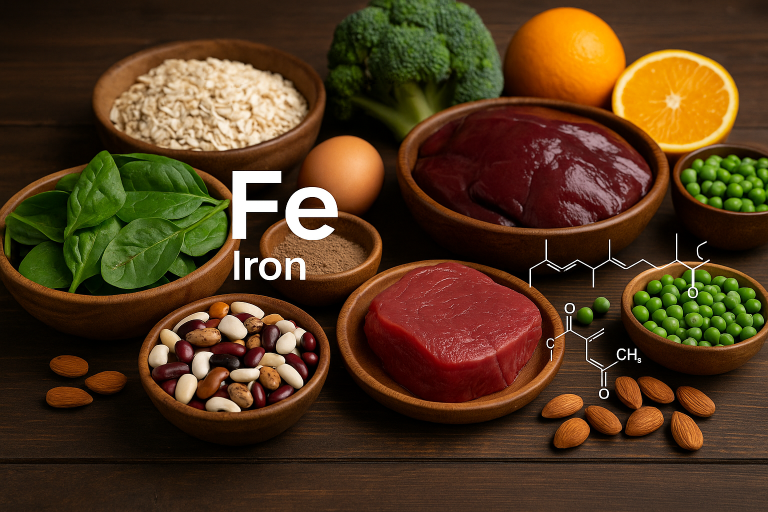
Heme iron: only in animal products such as meat, fish and chicken. Non-heme iron: in bread, whole grain products, legumes, nuts, green vegetables such as spinach, purslane, pak choi and chard, and in radishes.
Heme iron is better absorbed (approximately 25%) than non-heme iron (1-10%). Vitamin C promotes absorption of non-heme iron. Phytate (in cereals), polyphenols (in tea/coffee) and calcium can inhibit absorption.
Iron is needed for oxygen transport through red blood cells, energy production in cells and a normally functioning immune system.
Fatigue, pale skin, quickly out of breath, restless legs. In children, iron deficiency can lead to impaired learning behavior. In pregnant women, it can lead to anemia.
Too much iron can be harmful to the liver, heart and blood vessels. More than 45 mg per day can cause gastrointestinal problems. In cases of hemochromatosis (hereditary disease), iron intake should be severely restricted.
Vegetarians ingest mostly non-heme iron, which is less well absorbed. However, with a varied diet and sufficient vitamin C, absorption remains adequate.
Men: 11 mg per day. Women (16-50 years): 16 mg per day. The requirement is increased in pregnancy and lactation.
Iron symbolizes strength, courage and perseverance. In ancient traditions, iron was used as a protective metal against negative energies. It helps you stand firm and go through life with vitality.
© All rights reserved | With ♡ created by Webaware Websites
Disclaimer | General conditions | Privacy Statement |
 English
  Dutch
Dutch