What is chromium (chromium)?
Chromium, also known as chromium, is a trace element. This means that your body needs very little of it.
Chromium plays a role in the action of insulin and carbohydrate metabolism. As a result, it is also called the glucose tolerance factor (GTF).
What does chromium (chromium) contain?
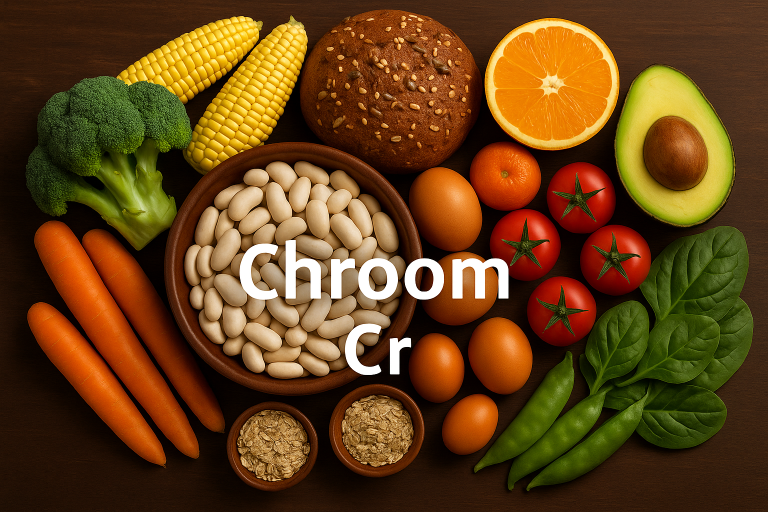
Chromium is found in small amounts in:
- Vegetables
- Fruit
- Whole grain cereal products
- Meat and liver (to a lesser extent)
- Dairy products
Most products contain less than 5 micrograms of chromium per serving. Cereal products often contain higher levels.
What do you need chrome for?
Chromium has the following functions in the body:
- Helps keep blood sugar levels normal
- Contributes to the energy transport of carbohydrates and fats
- Possibly reduces the feeling of hunger (not yet sufficiently proven)
Chromium and supplements
There is evidence that additional chromium in supplement form could be beneficial for:
- the regulation of blood sugar
- the release of insulin in type 2 diabetes
👉 But: this has not yet been proven. For healthy people, no clear benefit has been demonstrated from chromium supplementation.
The claim that chromium reduces appetite is so far scientifically unconfirmed.
How much chromium do you need per day?
- Netherlands: there is no official recommendation for the daily amount of chromium.
- United States: 25 micrograms (women) and 35 micrograms (men) per day.
What are the consequences of chromium deficiency?
Chromium deficiency does not occur in the Netherlands. With a healthy and varied diet, you get enough chromium.
Spiritual ✨
Chromium is spiritually seen as a mineral of balance and regulation. Like insulin in the body, it helps balance between energy intake and energy consumption. Energetically, chromium can support stabilizing inner turmoil and finding a healthy rhythm in life and diet.






 English
  Dutch
Dutch