
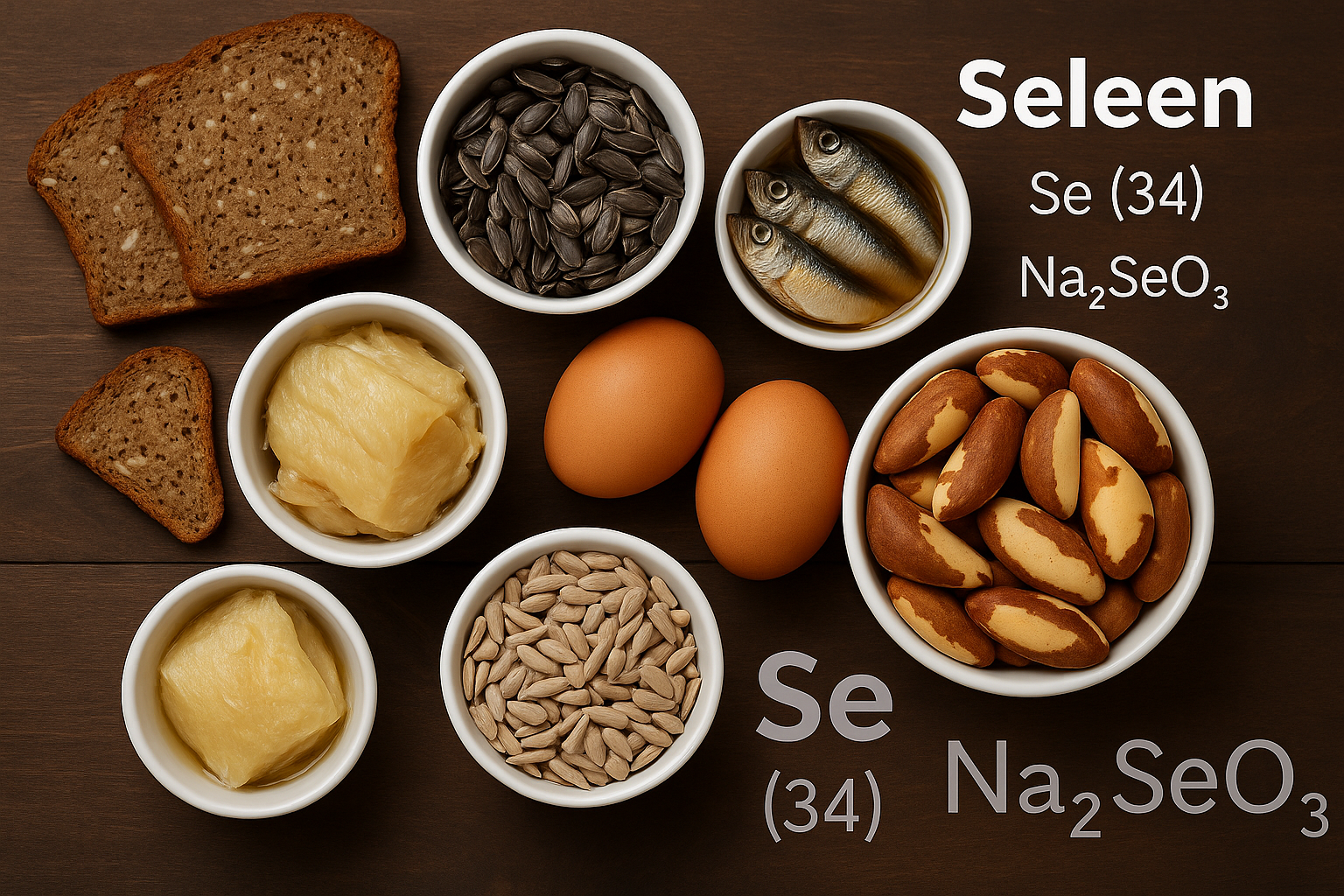
Selenium: 7 powerful benefits for resistance and energy
What is selenium? Selenium (also called selenium) is a trace element found in soil, water and food. The body needs very little of it, but this little bit is essential for ...
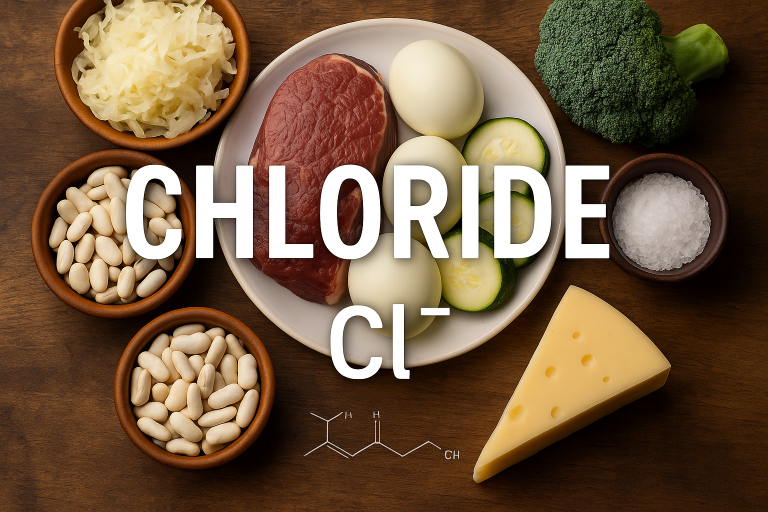
Chloride (chlorine) is a mineral with an electrical charge, also called an electrolyte. It is indispensable for:
- the fluid balance in the body
- the acid-base balance (pH level)
- digestion
- cooperation with other electrolytes (sodium, potassium)
Chloride enters our bodies primarily through table salt (sodium chloride).
- Table salt (sodium chloride, approx. 60% chloride and 40% sodium)
- Processed foods and convenience foods (bread, snacks, sauces)
- Meat
- Seafood and seaweed
👉 Note: 80% of the salt we ingest comes from processed foods. Only 20% we add ourselves during cooking.
- Fluid balance and blood pressure → chloride, along with sodium and potassium, regulates your fluid balance and thus affects your blood pressure
- Digestion → chloride is part of stomach acid (hydrochloric acid) and thus important for proper digestion
- Nerve function → as an electrolyte, chloride aids in stimulus transmission in nerves
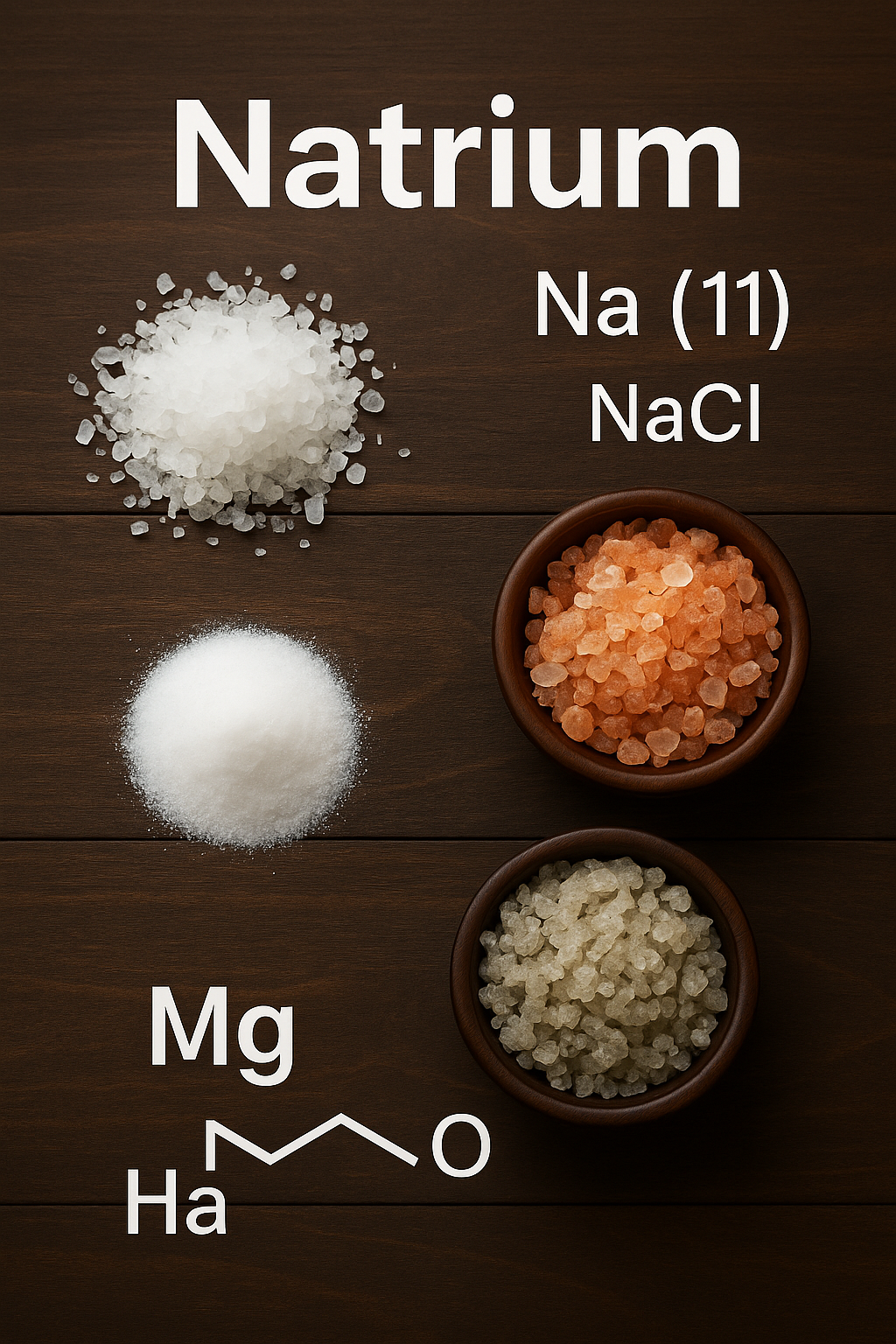
Regular table salt contains only sodium and chloride and is additionally:
- Bleached
- Often enriched with anti-caking agents (such as E535, E536, E554)
- May even contain aluminum compounds → harmful to brain and nervous system
👉 My advice: rather use Celtic sea salt or Himalayan salt. These salts contain 84 other minerals and trace elements besides sodium and chloride, which support the body.
For adults, the recommended daily intake is 2.3 grams of chloride, with an upper limit of about 3.6 grams per day.
Even with a low-salt diet, you usually get enough chloride.
Deficiency is rare in the Netherlands, but can be caused by:
- Prolonged diarrhea or vomiting
- Excessive sweating
- Diuretic drugs
- Severe sodium deficiency
Symptoms of deficiency:
- Muscle cramps
- Fatigue
- Confusion
An excess usually results from a salty and processed diet. This increases the risk of:
- High blood pressure
- Cardiovascular diseases
- Kidney diseases
- Stomach cancer
- Bone osteoporosis
Symptoms when too much:
- Muscle weakness
- Fatigue
- Confusion
- Headache
Celtic sea salt contains 84 minerals and trace elements, including:
- Sodium
- Magnesium
- Calcium
- Potassium
- Iron
- Zinc
- Manganese
- Chloride
Benefits of Celtic sea salt:
- Gives more energy
- Restores acid-base balance
- Supports hydration
- Improves digestion
- Helps with muscle cramps
- Supports sleep and blood sugar balance
Many table salt contain added aluminum (E numbers such as E173, E520-523, E554).
Health risks of aluminum:
- Blocks nerve activity → memory loss, coordination problems, increased risk of dementia
- Disrupts enzymes and uptake of neurotransmitters
- Causes constipation and abdominal pain
- Is stored in adipose tissue, bone marrow and nerve sheaths
👉 Therefore, avoid table salt and processed products, and choose mineral-rich sea salt without additives.
Chloride symbolizes balance and flow. Just as it regulates fluid and acid balance in our bodies, energetically it helps find inner balance. The element of water and salt are often associated with purification and healing.

© All rights reserved | With ♡ created by Webaware Websites
Disclaimer | General conditions | Privacy Statement |

 English
  Dutch
Dutch