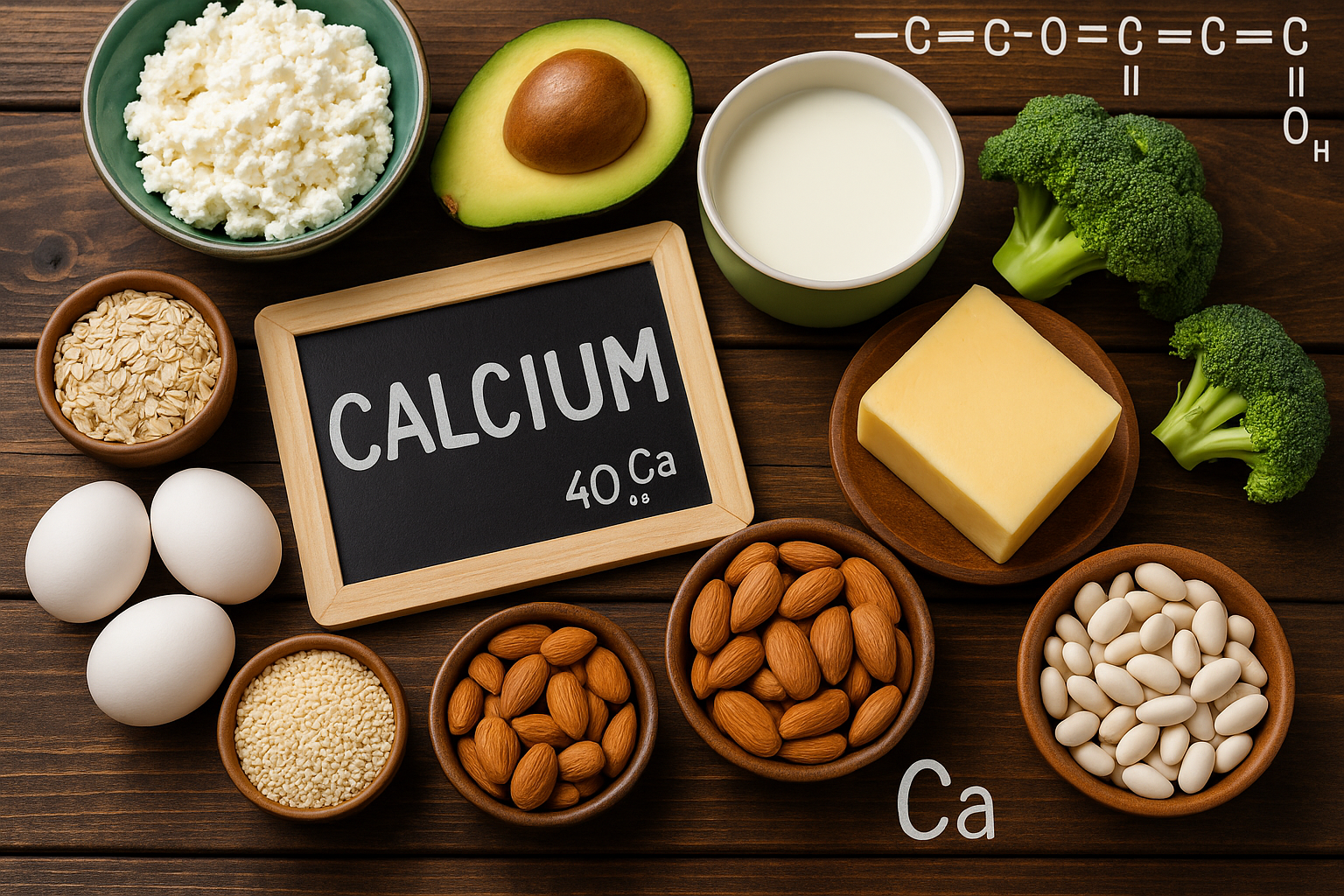
Calcium - 5 natural sources for strong bones and teeth
Calcium Calcium is a mineral you need for building and maintaining bones and teeth. It helps against osteoporosis later in life and is also necessary for proper work...
Beta-carotene is a provitamin, which means that your body can convert it into a vitamin. In this case, beta-carotene is converted to vitamin A in the body.
Beta-carotene supports the same functions as vitamin A:
- Resistance support
- Being able to see well
- Healthy skin
- Maintaining normal mucous membranes
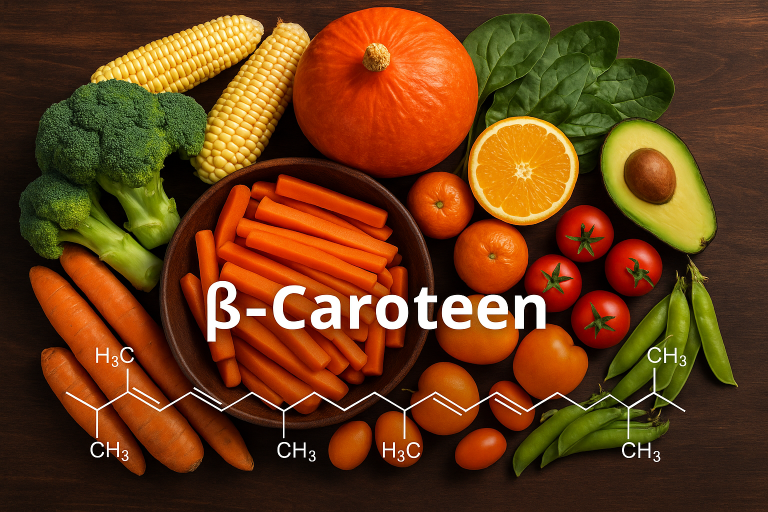
Beta-carotene gives fruits and vegetables their characteristic orange and yellow color.
Beta-carotene is found in:
- (dark) green leafy vegetables, such as spinach
- Cabbages
- Carrots
- Mangoes
- Tangerines
There is no official RDA (recommended daily allowance) for beta-carotene.
👉 In the body, it is converted to vitamin A by a factor of 1:12. This means that 1 microgram of vitamin A is equivalent to 12 micrograms of beta-carotene.
- The body does not convert more beta-carotene into vitamin A than is needed.
- As a result, high intake does not lead to excessive vitamin A levels.
⚠️ According to the EFSA (European Food Safety Authority), there is an upper limit of 15 mg per day via supplements. This advice applies to everyone, including heavy smokers.
- There are no known specific effects of beta-carotene deficiency itself.
- Too little beta-carotene may well lead to insufficient vitamin A production.
- A vitamin A deficiency can cause symptoms such as poor vision, decreased resistance and skin problems.
- Too much can lead to carotinemia: a harmless discoloration of the skin (orange/yellowish).
- Your gut automatically regulates the conversion to vitamin A; therefore, it does not create an excessive vitamin A supply.
- ⚠️ For smokers, extra caution: high doses of beta-carotene (>15 mg/day via supplements) may increase the risk of lung cancer (Alpha-Tocopherol, Beta-Carotene Lung Cancer Prevention Study).
Beta-carotene is often associated with the solar plexus chakra (Manipura) 🌞. It carries energy, life force and protection, just as the orange color symbolizes vitality and optimism. Eating beta-carotene-rich foods (such as carrots and mangoes) not only strengthens your physical health, but also your inner fire and perseverance.
© All rights reserved | With ♡ created by Webaware Websites
Disclaimer | General conditions | Privacy Statement |

 English
  Dutch
Dutch